The 18th International Symposium on Structural Engineering (ISSE-18) was held in Nanning from January 30 to February 1. The symposium was guided by the National Natural Science Foundation of China (NSFC) and hosted by Guangxi University (GXU). A total of 650 experts and scholars attended the event, including nearly 200 nationally recognized talents and 16 academicians.
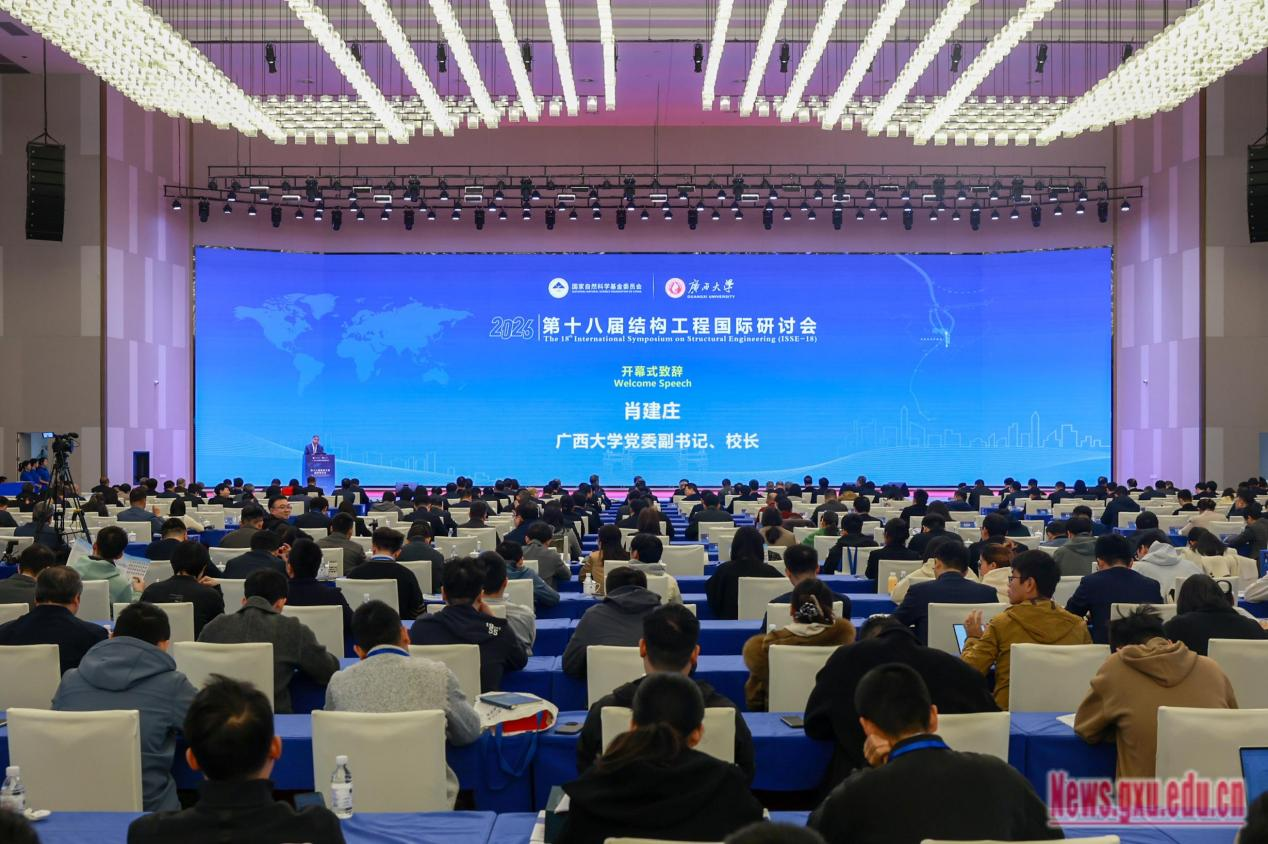
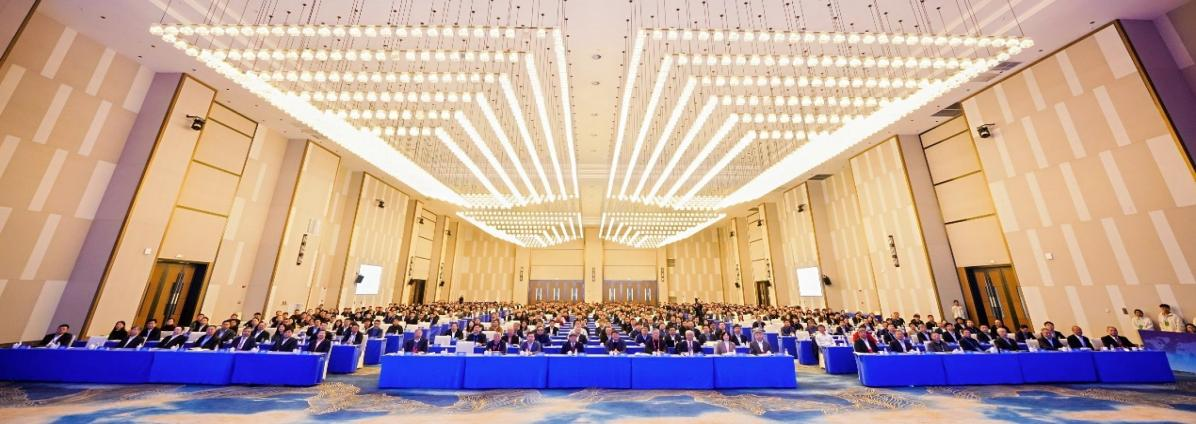
The opening ceremony was attended by Zhang Peng, Program Director of Division IV (Engineering Science) of the Department of Engineering and Materials Sciences, NSFC; Zheng Jialian, Academician of the Chinese Academy of Engineering (CAE) and Professor at GXU; Ou Jinping, CAE Academician and Professor at Harbin Institute of Technology (Shenzhen); Yang Yongbin, CAE Academician and Professor at Chongqing University; Xiao Xuwen, CAE Academician and Professor at China State Construction Engineering Corporation and Tongji University; Du Yanliang, CAE Academician and Professor at Shijiazhuang Tiedao University; Chen Zhengqing, CAE Academician and Professor at Hunan University; Ren Huiqi, CAE Academician and Researcher at the Academy of Military Sciences, National Defense Engineering Research Institute (online); Lü Xilin, CAE Academician and Professor at Tongji University; Xu Shilang, Academician of the Chinese Academy of Sciences and Professor at Zhejiang University; Wang Mingyang, CAE Academician and Professor at Army Engineering University (online); Liu Jiaping, CAE Academician and Professor at Southeast University (online); Li Hui, CAE Academician and Professor at Harbin Institute of Technology; Hao Hong, Foreign Academician of the CAE and Professor at Guangzhou University; Yu Zhiwu, CAE Academician and Professor at Central South University; Li Guoqiang, CAE Academician and Professor at Tongji University; Shi Caijun, Foreign Academician of the CAE and Professor at Hunan University; Wang Wenze, Vice Mayor of Qinzhou City; and Han Linhai, Professor at Tsinghua University and Chair of the Academic Committee of ISSE-18.
Xiao Jianzhuang, President of GXU and Chair of the Organizing Committee of the symposium, delivered an opening address. The ceremony was chaired by Liu Xiang, Vice President of GXU.
On behalf of Guangxi University, Xiao Jianzhuang extended a warm welcome to the academicians, experts, scholars, and colleagues from home and abroad attending the symposium. He noted that hosting the event not only provides GXU with a valuable opportunity to learn from the best international practices, deepen academic collaboration, and strengthen disciplinary capacity, but also represents an important step in advancing the University’s internationalization strategy of engaging deeply with ASEAN and connecting with the wider world.
Xiao expressed the hope that participants would take full advantage of the symposium to engage in in-depth discussions, focus on frontier issues in the discipline, and foster the exchange of ideas. He encouraged joint efforts to cultivate and advance new drivers of productivity in civil engineering, and to contribute expertise and solutions to major national initiatives such as the New International Land–Sea Trade Corridor.
At the opening ceremony, Zhang Peng delivered a keynote report titled “Overview of Disciplinary Development in 2025.” He highlighted the need for proactive adjustment of research directions and key topics to better align with disciplinary development and national strategic demands, and encouraged researchers to pursue innovative exploration oriented toward future needs.
Duing the academic sessions, 12 academicians—including Zheng Jialian, Ou Jinping, Xiao Xuwen, Du Yanliang, Chen Zhengqing, Lü Xilin, Xu Shilang, Hao Hong, Yu Zhiwu, Li Guoqiang, Shi Caijun, and Yang Yongbin—presented keynote reports.
The symposium featured 81 invited keynote lectures, 94 invited presentations and 128 parallel session presentations, as well as a graduate forum with 20 student presentations. Discussions focused on structural safety and resilience, green and low-carbon development, intelligent construction, smart operation and maintenance, disaster prevention and mitigation, and urban renewal, highlighting research progress and future directions in structural engineering in support of national infrastructure development.
The ISSE originated from the International Symposium for Young Experts in Structural Engineering held in Leshan in 1990. Having been successfully convened for 17 editions, it has become a distinctive and influential international academic forum in the field, with leading Chinese scholars worldwide forming its core academic community.
Centered on the theme of “Safety, Green, and Intelligence,” the symposium focuses on major challenges and future development in civil and structural engineering. It showcases the latest research achievements of scholars, researchers, and engineering professionals, facilitates exchanges on improving material and structural performance, advancing green and low-carbon sustainable buildings and structures, and integrating intelligent technologies, while promoting international collaboration and exploring emerging interdisciplinary trends in structural engineering.

 Home
>
News & Events
>
News
Home
>
News & Events
>
News


